


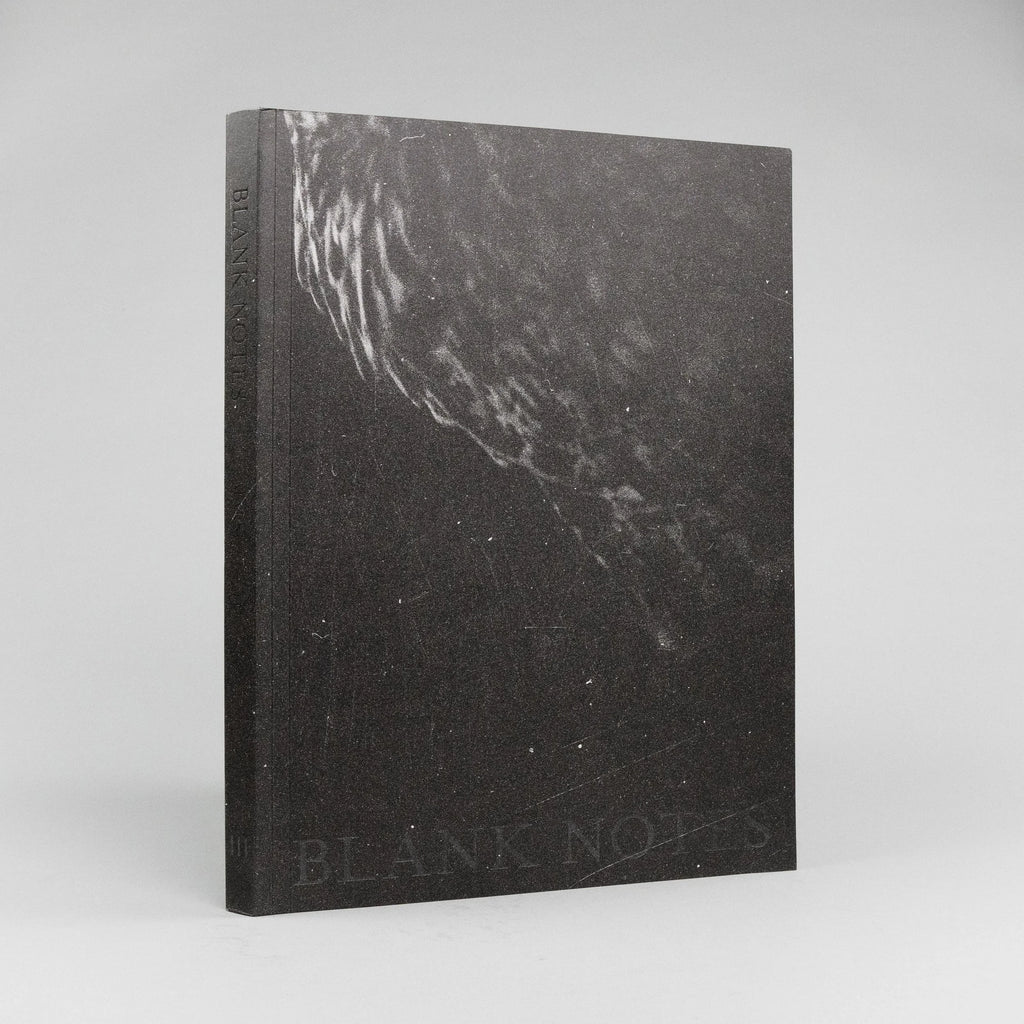


Soft cover
144 pages
10.5 × 14.5 inches
Matte ivory paper with painted black edges
Edition of 1000
Published by Charcoal Press
Marshall To grew up as a second-generation Chinese immigrant in rural Canada. His family was Taoist and owned a Chinese restaurant. To’s father believed that people lived in a supernatural world that existed simultaneously with the physical world. He believed humans were surrounded by the spirits of loved ones, those awaiting reincarnation, and those who remained restless and vengeful.
In Taoism, on the fifteenth day of the seventh month in the lunar calendar, the gates of Hell open to allow Hungry Ghosts a chance to roam the earth once again in search of food and sustenance. Taoist families venerate the dead during this time. They offer prayers to deceased relatives for protection and burn Hell Notes (money) to help ghosts live comfortably in the afterlife. These Hungry Ghosts are dangerous. They take many forms — owls, snakes, moths, birds, foxes, wolves, and tigers. Some can even take the guise of a beautiful man or woman to seduce and possess. This time of year is a celebration, but also a warning to tread lightly. A time to be careful not to offend those we cannot see. To be careful because the gates are open and the ghosts are hungry.
In his debut monograph, To depicts the thinning veil between the natural and supernatural, providing evidence of the intertwining of realities, cultures, and versions of ourselves.
From the artist:
“I remember having a fever one night after visiting my grandmother’s grave. I felt like I was on fire, twisted inside out. I could smell the incense and heard frantic prayers. I was helpless and felt controlled by something else… something other. The prayers repeated over and over as the fever and incense burned. All of a sudden, a deafening CRACK sounded from inside the ceiling. It was loud as thunder, and then there was silence. The incense burnt out and the prayers stopped. It seemed only natural that the veil separating the living and the dead might be as thin as the line between life and death.”